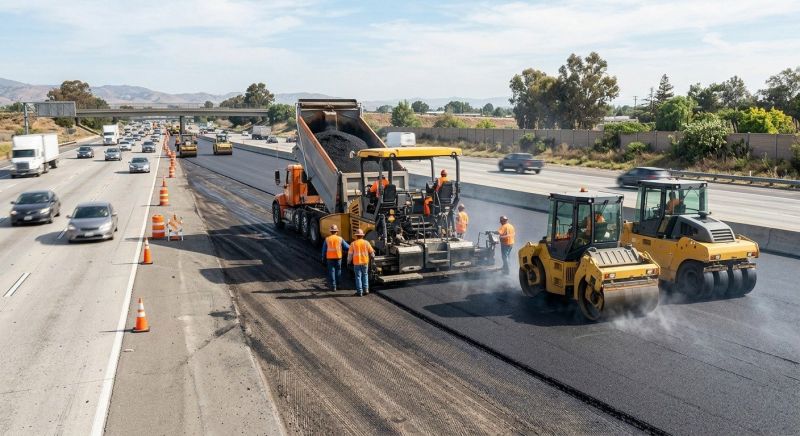
Highway Resurfacing in Little Rock, AR
Highway resurfacing services involve restoring and renewing existing roadways to improve safety, durability, and appearance. This process typically includes removing the worn or damaged surface layer and applying a new layer of asphalt or other paving materials. Projects can range from repairing small sections of residential driveways to resurfacing larger community streets or parking lots. Property owners often seek these services to address issues such as cracks, potholes, or surface deterioration that can affect vehicle safety and comfort.
Before requesting highway resurfacing, property owners usually want to understand the scope of work, including the extent of surface damage and the materials used for the new surface. It’s also helpful to know about any necessary preparation work, such as clearing the area or addressing underlying issues like drainage problems. Clarifying the expected lifespan of the resurfaced area and any maintenance requirements can assist in planning for long-term road quality and safety.
Many property owners in Little Rock, AR look into Highway Resurfacing for repairs, replacements, upgrades, and appearance-related improvements.
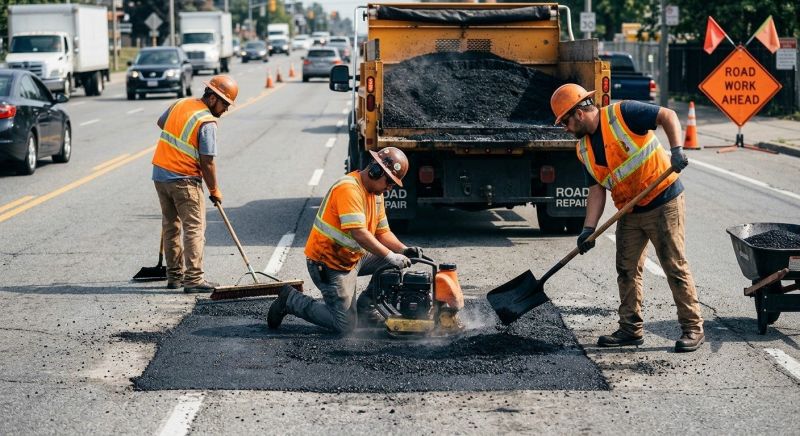
Residential Driveway Resurfacing
Restores the smoothness and durability of residential driveways in little rock, ar.
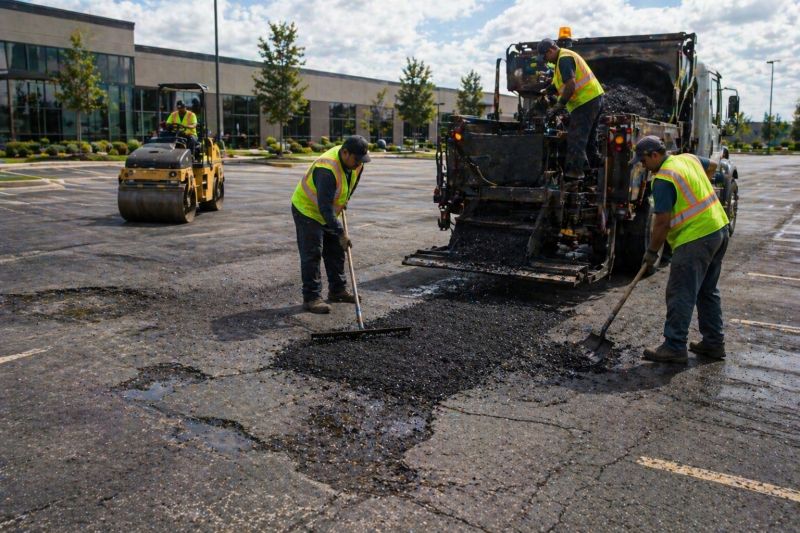
Parking Lot Restoration
Enhances safety and appearance for commercial and community parking areas.
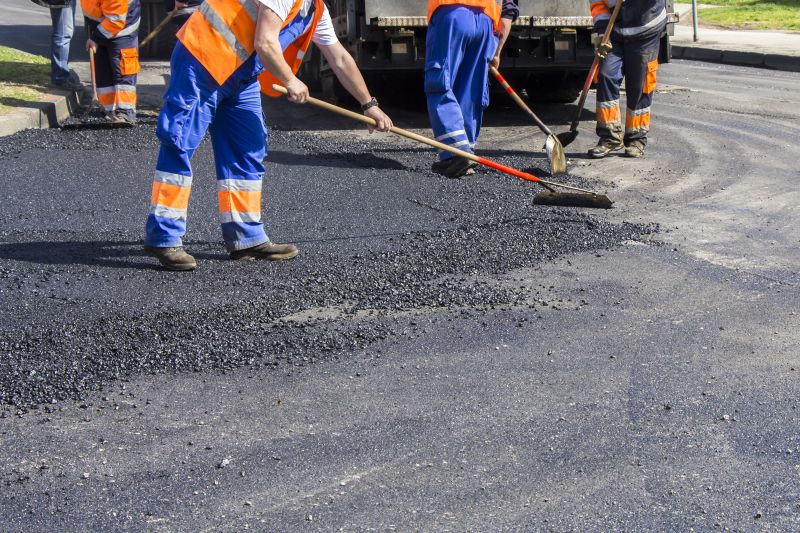
Roadway Maintenance Solutions
Provides cost-effective options for extending the lifespan of local roads and streets.
Highway Resurfacing in Little Rock, AR
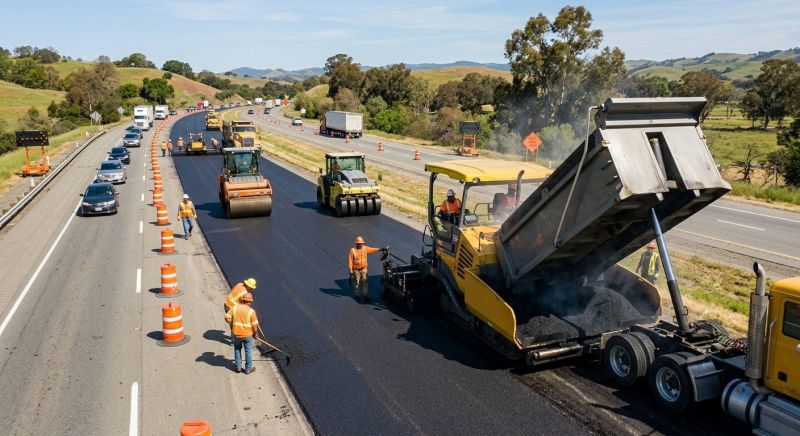
Highway resurfacing services involve restoring and renewing existing roadways to improve safety, durability, and appearance. This process typically includes removing the worn or damaged surface layer and applying a new layer of asphalt or other paving materials. Projects can range from repairing small sections of residential driveways to resurfacing larger community streets or parking lots. Property owners often seek these services to address issues such as cracks, potholes, or surface deterioration that can affect vehicle safety and comfort.
Before requesting highway resurfacing, property owners usually want to understand the scope of work, including the extent of surface damage and the materials used for the new surface. It’s also helpful to know about any necessary preparation work, such as clearing the area or addressing underlying issues like drainage problems. Clarifying the expected lifespan of the resurfaced area and any maintenance requirements can assist in planning for long-term road quality and safety.
Many property owners in Little Rock, AR look into Highway Resurfacing for repairs, replacements, upgrades, and appearance-related improvements.
Common Highway Resurfacing Jobs
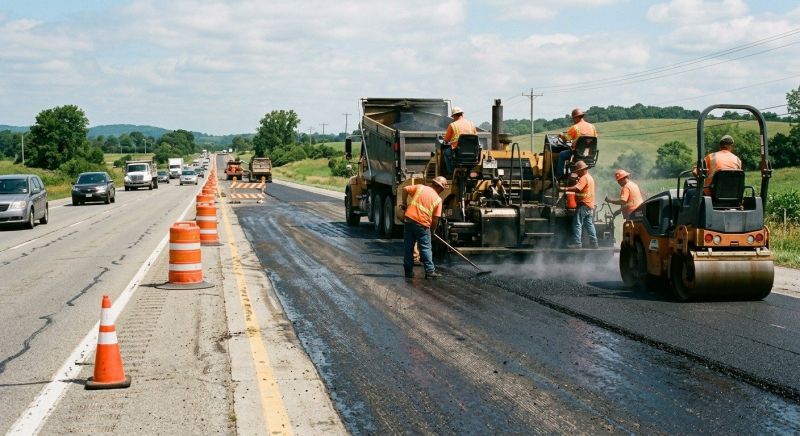
Highway Resurfacing - Restores the surface of existing roads to improve driving quality.
Pavement Overlay - Adds a new layer of asphalt to extend the life of worn or damaged roads.
Crack Sealing - Seals cracks to prevent water infiltration and further deterioration.
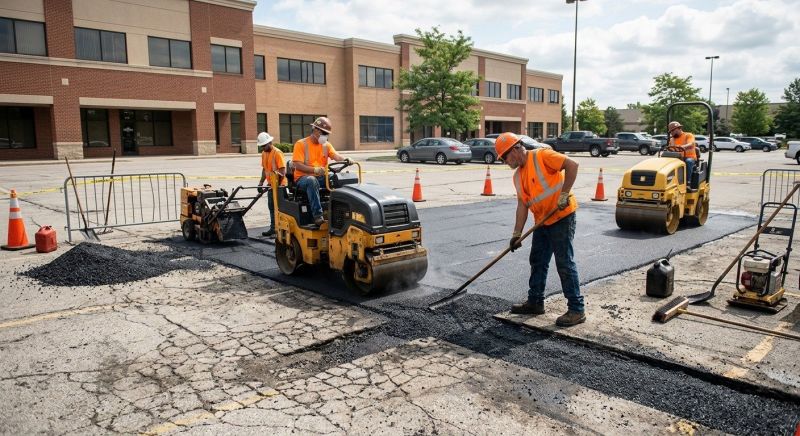
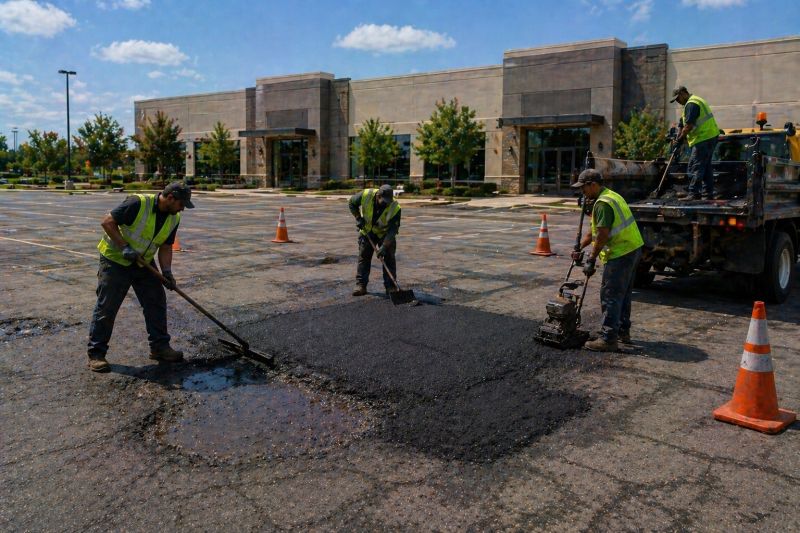
Surface Repair - Fixes potholes and surface damage for a smoother, safer roadway.
Line Repainting - Refreshes lane markings and road signs for clear traffic guidance.
Drainage Optimization - Ensures proper water runoff to prevent road flooding and damage.
Highway Resurfacing Questions
What areas are suitable for highway resurfacing? Highway resurfacing is ideal for roads experiencing wear, cracking, or potholes that affect safety and driving conditions.
How does highway resurfacing improve road quality? It restores the smoothness of the surface, extends the lifespan of the roadway, and enhances overall driving safety.
What types of roads can be resurfaced? Both major highways and smaller arterial roads can benefit from resurfacing to improve durability and appearance.
What should property owners consider before resurfacing? It’s important to assess the current condition of the pavement and plan for any necessary repairs prior to resurfacing.
Request Highway Resurfacing in Little Rock, AR
Use the quote form on this page to share the basics of your project and request more information for the type of work you need.