Optimal Timing for Asphalt Driveway Installation
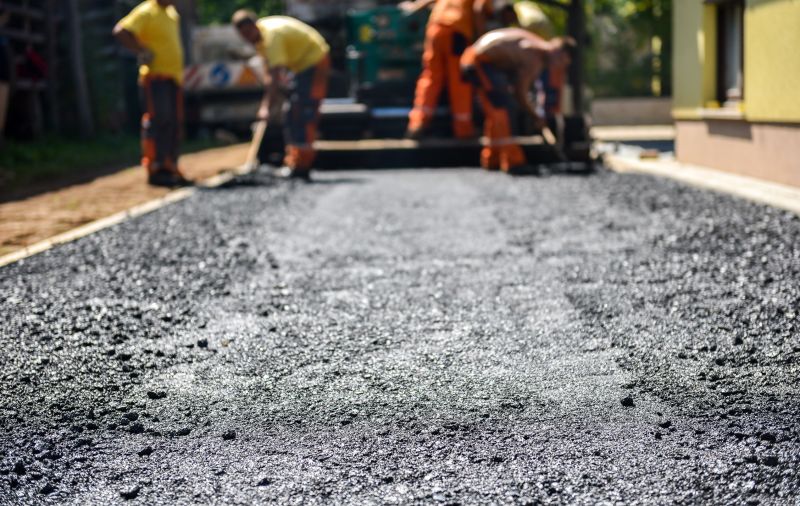
Spring offers moderate temperatures ideal for asphalt work, reducing the risk of cracks and ensuring proper curing.

Summer provides warm weather, but excessive heat can cause asphalt to soften, requiring careful timing and planning.
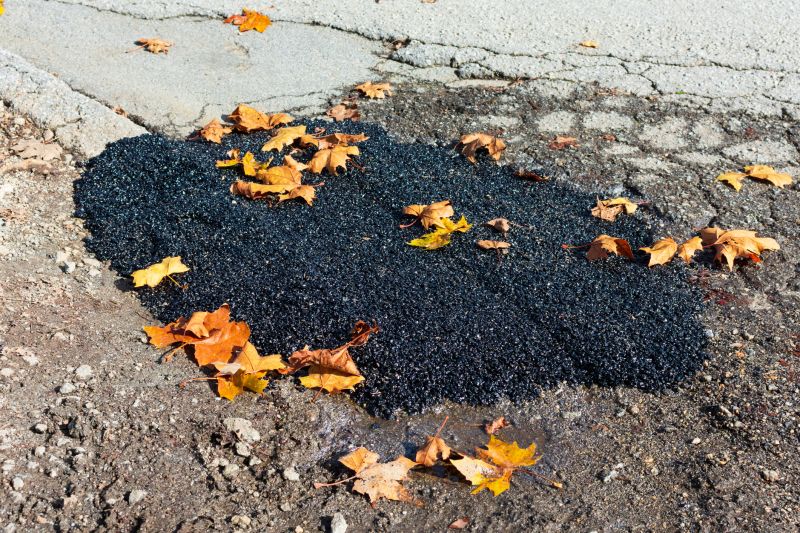
Fall's cooler temperatures and lower humidity levels create favorable conditions for asphalt curing and longevity.
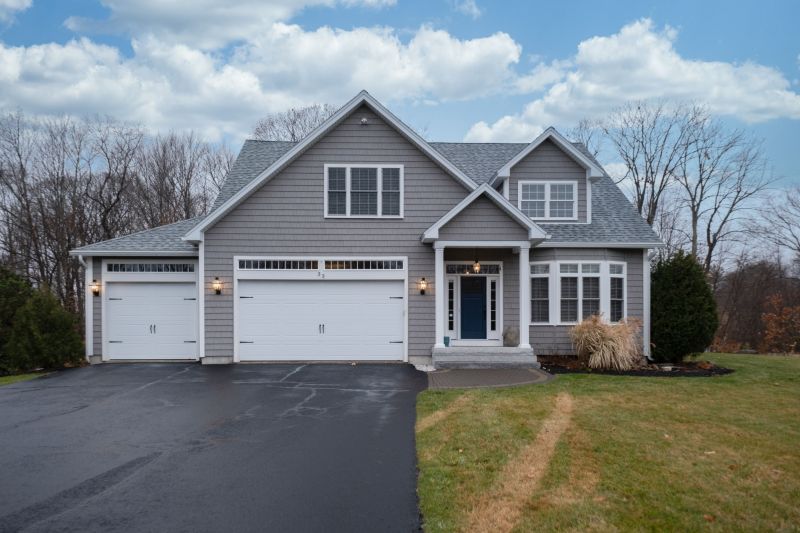
Winter is generally unsuitable due to cold temperatures and potential for frost, which can compromise asphalt quality.

Ideal temperatures for asphalt installation are between 50°F and 85°F, with low humidity for best results.
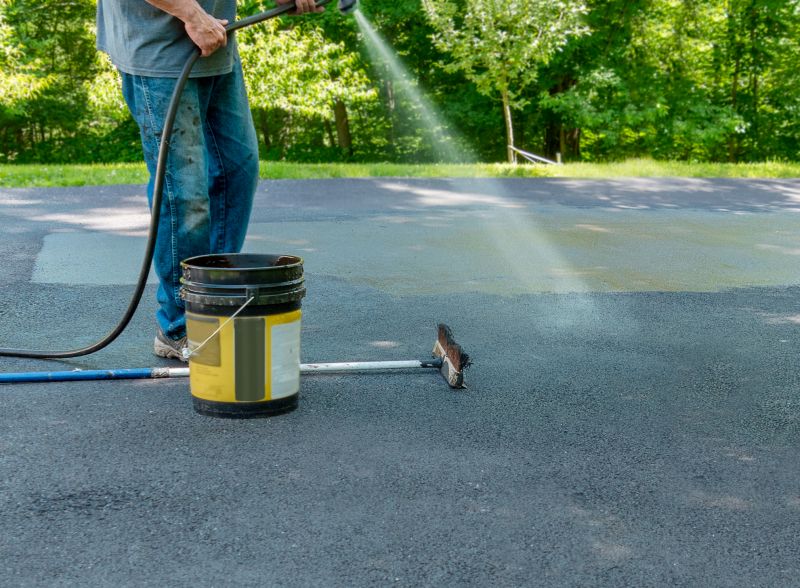
Rain and moisture can disrupt the asphalt setting process, making dry, stable days preferable for installation.
Asphalt driveway installations are sensitive to weather conditions, making timing crucial for optimal results. Temperatures that are too low or too high can affect the asphalt’s ability to set properly, leading to issues such as cracking or uneven surfaces. Proper planning around seasonal weather patterns can significantly impact the longevity and performance of the driveway.
Statistics indicate that asphalt installed during spring and fall tends to have fewer issues related to temperature fluctuations and moisture. These seasons provide the most consistent conditions for compaction and curing, which are essential for a durable surface. Additionally, scheduling during these periods can help avoid delays caused by unexpected weather disruptions.
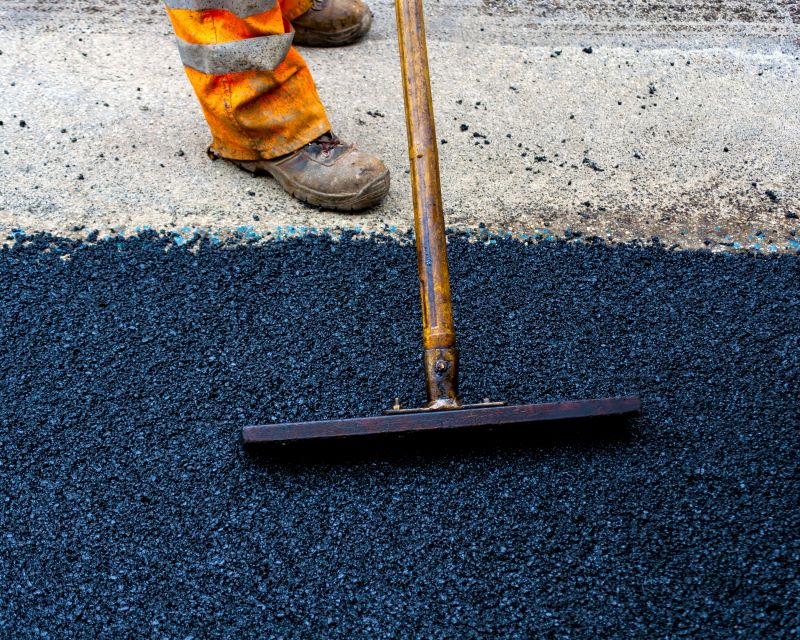
Spring's moderate temperatures help ensure proper asphalt compaction and durability.
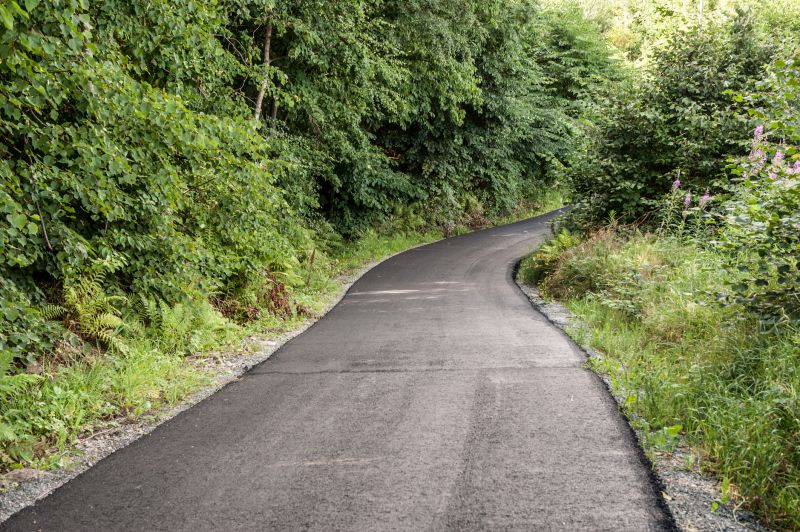
Fall provides ideal conditions for asphalt curing with cooler, stable weather.
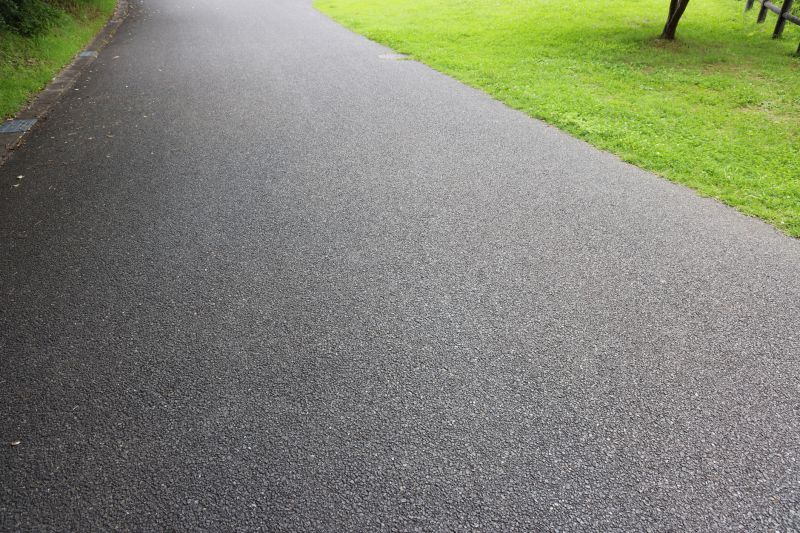
Summer requires careful timing to avoid excessive heat that can soften asphalt.

Winter is generally unsuitable due to low temperatures and frost risk.
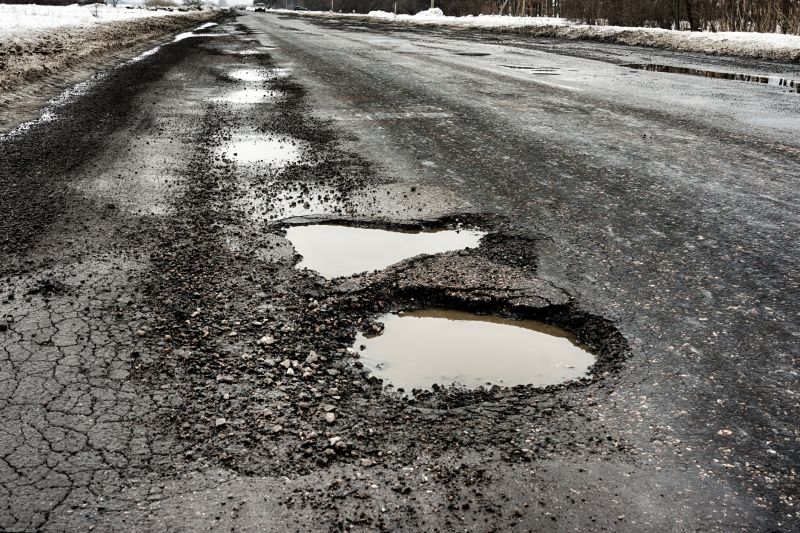
Rain and humidity can delay or damage asphalt setting, emphasizing the importance of dry conditions.
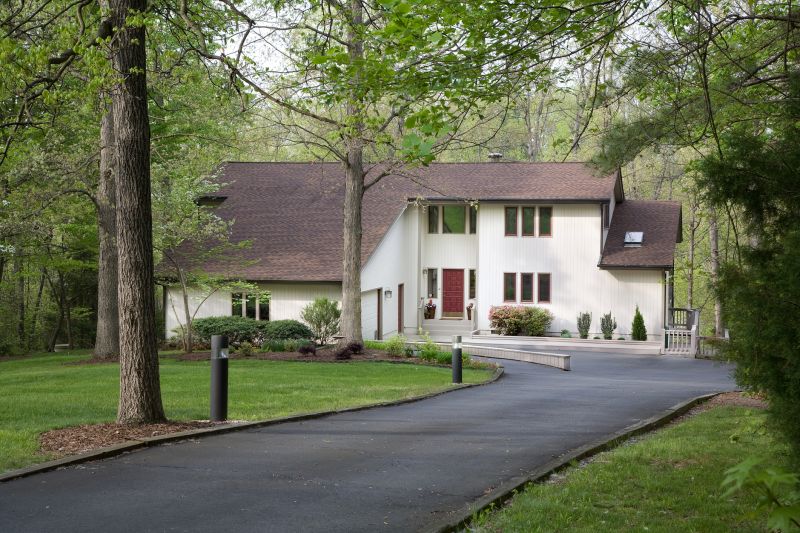
Proper seasonal timing enhances the lifespan and performance of asphalt driveways.
| Season | Ideal Conditions |
|---|---|
| Spring | Temperatures between 50°F and 70°F, low humidity, dry days |
| Summer | Warm temperatures 70°F to 85°F, avoid extreme heat |
| Fall | Cooler temperatures, low humidity, dry weather |
| Winter | Cold temperatures, frost, and snow make installation unsuitable |
| Optimal Range | 50°F to 85°F with stable weather |
Choosing the right season for asphalt driveway installation can influence the durability and appearance of the surface. Proper timing ensures optimal curing, reduces the risk of cracks, and extends the lifespan of the driveway. Consulting with professionals about seasonal conditions can help in planning the most suitable time for installation.
Interested in scheduling an asphalt driveway installation? Fill out the contact form to get more information and find the best timing for a durable, high-quality driveway.
Ways to make Asphalt Driveway Installations work in tight or awkward layouts.
Popular materials for Asphalt Driveway Installations and why they hold up over time.
Simple add-ons that improve Asphalt Driveway Installations without blowing the budget.