
Leading Products for Asphalt Driveway Installations You Can Trust
Explore essential tools and materials that ensure a smooth, durable asphalt driveway installation process for lasting results.
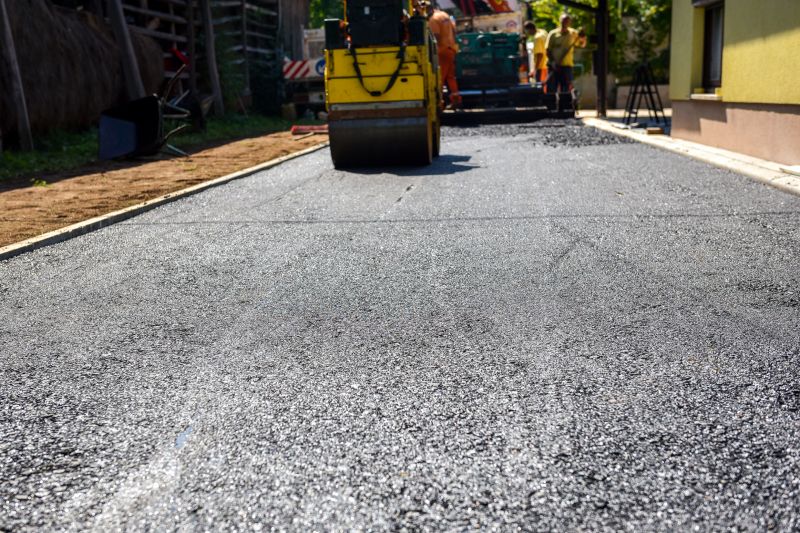 Installing an asphalt driveway involves several key steps and the use of various products designed to ensure a durable and smooth surface. From preparing the base to applying the final layer of asphalt, each phase requires specific materials that contribute to the longevity and appearance of the driveway. Proper preparation, including grading and compaction, sets the foundation for successful installation. During the asphalt laying process, the use of quality tack coats and sealants can improve adhesion and protect against future damage. Additionally, tools and accessories like rollers, rakes, and edge restraints help achieve an even, professional finish.
Top Overall Option
Premium Asphalt Driveway Sealer
A high-quality asphalt driveway sealer serves as a protective layer that helps shield the surface from water, UV rays, and everyday wear. It enhances the appearance by providing a uniform finish and can help prevent the development of cracks and potholes. When choosing a sealer, look for products that are easy to apply, durable, and compatible with existing asphalt surfaces. Proper application and regular re-sealing can contribute to the ongoing maintenance and preservation of the driveway's condition.
Types of Products For Asphalt Driveway Installations
Asphalt Mixes
Various asphalt mixes are available for different application needs, including cold mix, hot mix, and polymer-modified options, each suited for specific project requirements.
Tack Coats
Used to promote adhesion between layers, tack coats are applied before the asphalt layer to ensure a strong bond and prevent delamination.
Sealants and Sealers
Sealants protect the surface from moisture and UV damage and can improve the appearance of the driveway.
Crack Fillers
Designed to fill and seal existing cracks, preventing water infiltration and further deterioration.
Edge Restraints
Materials used to define the edges of the driveway, helping to maintain shape and prevent crumbling.
Base Layers
Crushed stone or gravel layers that provide a stable foundation for asphalt paving.
Compaction Equipment
Vibratory rollers and plate compactors are essential for achieving proper density in the base and asphalt layers.
Primers
Applied to prepare the surface for asphalt application, improving adhesion and durability.
Drainage Products
Drainage mats and pipes help manage water runoff and prevent pooling that can damage the driveway.
Edge Trimmers
Tools or products that help create clean, defined edges for the driveway.
Paving Rakes
Used to distribute and level asphalt material during installation.
Vibratory Plate Compactors
Portable equipment for compacting smaller areas or edges during installation.
Leveling Tools
Screeds and straightedges help ensure a smooth, even surface during asphalt laying.
Edge Restraint Systems
Materials designed to maintain the shape and prevent erosion at the driveway edges.
Popular Choices
A commonly used product for sealing cracks and preventing water ingress that can cause further damage.
Popular for defining driveway boundaries and preventing soil or gravel from spreading.
Convenient for quick repairs and patching potholes or damaged areas.
Used to prepare surfaces for better adhesion of asphalt layers.
A widely used tool for compacting base materials and asphalt during installation.
A popular choice for routine maintenance to protect and preserve the driveway surface.
Often chosen as a foundational layer for stability and drainage.
Commonly used to maintain driveway shape and prevent erosion at edges.
Essential for spreading asphalt evenly during installation.
Popular for quick sealing of small cracks before they expand.
Help improve water runoff and protect the driveway from pooling.
A favored method for applying protective sealants efficiently.
Help achieve clean, professional edges for the driveway.
Widely used as the foundational material for stability.
Popular for ensuring a flat, even surface during asphalt placement.
Choosing the right products for asphalt driveway installation depends on the scope of the project, the local climate, and the desired lifespan of the driveway. For larger projects, heavy-duty equipment and industrial-grade materials may be necessary, while smaller DIY installations can benefit from user-friendly, smaller-scale options. It's also important to consider the compatibility of products such as primers, binders, and sealers to ensure a cohesive system that performs well over time.
Maintenance products are equally important for preserving the integrity of an asphalt driveway. Sealants and crack fillers can help prevent water infiltration and minimize the development of potholes or cracks. Regular inspections and timely repairs using appropriate materials can extend the life of the driveway and maintain its aesthetic appeal. When selecting products, always review manufacturer instructions and consider professional consultation for optimal results.
Key Buying Considerations
- Type of asphalt mix suitable for your climate and project size
- Compatibility of sealants and primers with existing surfaces
- Ease of application and drying time for different products
- Durability and resistance properties of the materials
- Proper tools required for installation and maintenance
- Drainage solutions to prevent water pooling and damage
- Compatibility of crack fillers with asphalt surfaces
- Environmental conditions during application, such as temperature and humidity
- Availability of replacement and repair products for ongoing maintenance
- Cost-effectiveness over the lifespan of the driveway
- Ease of transportation and handling of heavy materials
- Manufacturer instructions and recommended application procedures
- Professional assistance versus DIY suitability
- Product reviews and user feedback for reliability
- Local regulations or standards for driveway installation